

What Belgrade's Bars Taught Us About Rakija
Walking into a traditional kafana in Belgrade feels like stepping into someone's living room mid-celebration.

The air thickens with wood smoke, grilled meat, and something sharper beneath it all, a scent that hits before you even sit down. That scent is rakija, the fruit brandy that serves as Serbia's cultural handshake, digestif, and liquid bridge across generations.
If you think you know brandy, Belgrade's bars will politely correct you.
Rakija is the collective term for fruit spirits popular in Southeastern Europe, and it's considered the national drink of Serbia. What tourists mistake for vodka or grappa is actually something entirely distinct.
The alcohol content normally sits at 40% ABV, but home-produced rakija can reach 50-80%, produced from fermented and distilled fruits like plums, grapes, apricots, pears, cherries, or raspberries.
The bars scattered through Dorćol and Skadarlija don't just pour rakija. They teach it.
Rakia Bar offers more than 50 flavors of this drink, where each flavor is specific for a different region in the country. You learn quickly that šljivovica, the plum version, is not interchangeable with kajsijevača, made from apricots. Each base fruit carries a signature.
Šljivovica is Serbia's most famous rakija, often aged in oak barrels for a smooth, rich flavor, while kajsijevača has a fragrant aroma and sweet aftertaste.
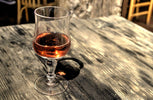
Bartenders pour with precision, not generosity. The small pear-shaped glasses, called čokanj or fićok, are designed to concentrate aroma and regulate alcohol intake. One Belgrade bartender explained it plainly: rakija isn't meant to get you drunk quickly. It's meant to keep you at the table longer.
Travelers arriving via the Danube often encounter rakija before they unpack.
The buzzing heart of Belgrade features floating splavovi, river barges turned into cafés and music clubs, while the bohemian quarter of Skadarlija has cobblestones that echo with poetry and the scent of grilled meats drifts from traditional kafanas. Many who book a Belgrade river cruise through Celebrity Cruises find themselves in these riverside establishments by sunset, where rakija becomes the introduction to everything else.
The cruise itineraries often include stops at Kalemegdan Park, near many of the city's oldest drinking establishments, where the ritual of welcoming guests with a shot is still standard practice.
In rural regions, it's still common for families to distill their own rakija in backyard stills, especially during the fall harvest season, and these home versions are sometimes stronger, less filtered, and deeply personal. That tradition bleeds into urban bar culture, where bartenders and craft distillers continue to experiment with infusions and aging techniques that would make their grandparents squint with suspicion.
One of the most underrated lessons from Belgrade's drinking scene is the concept of prepečenica, or double-baked rakija.
The distillation process first produces "soft brandy" or meka rakija, and it must be distilled once more to get "hot brandy" or ljuta rakija, which is why it's called double-baked. The difference is not subtle. The second distillation strips away impurities, sharpens the fruit profile, and raises the proof to levels that demand respect.
American bar culture has largely overlooked fruit brandies in favor of grape-based spirits and grain alcohols, but Serbian bars prove there's depth in fermented stone fruit that doesn't require a French appellation to justify its existence.
Quality slivovitz has fullness, depth, fruit character, and warmth, while aged styles often reveal notes of oak, vanilla, dried fruit, and gentle spice, and it holds a special place in tradition as the most internationally recognized expression of Serbian rakija.
In tasting rooms across the city, bartenders demonstrate how quince rakija, or dunjevača, carries an aromatic intensity that rivals any high-end liqueur on global shelves. The floral notes aren't added. They're intrinsic to the fruit and amplified through careful distillation.
Quince rakija is known for its intense, distinctive, and elegant aroma, and a good one can be highly aromatic, pure, and alluring, marked by the scent of ripe quince and a pleasant fruit character, making it a favorite among drinkers who appreciate a more expressive nose.
Belgrade's bars don't sell rakija the way Western cocktail lounges push premium vodka. There's no flashy branding or celebrity endorsements.
Rakija is hospitality in a glass, and it's common to be offered rakija upon entering a home or as a toast at any celebration, with refusing a glass often considered impolite. That cultural weight translates even in commercial settings.
The lesson isn't just about the spirit itself. It's about the ecosystem that surrounds it.
Making rakija is rarely a solo activity, as friends, family, and neighbors come together to help, taste, and celebrate, with food always on the table including bread, cheese, smoked meats, pickles, and sometimes hot stew simmering nearby. The bars that understand this don't just pour drinks. They recreate that table.
Modern mixologists visiting Belgrade return with a shifted perspective on what fruit brandy can be. It's not a novelty ingredient for a seasonal cocktail. It's a category with the same complexity and regional variation as whiskey or rum.
Rakija is unique because it brings together fruit, craftsmanship, region, and culture in a single glass, and it can be simple and direct, but also layered and serious, local and family-made, but also internationally awarded, belonging to everyday life yet also to the world of premium tasting.
What Belgrade's bars taught us isn't a recipe or a technique. It's the understanding that some spirits are better measured by the conversations they sustain than the cocktails they build. Rakija doesn't need to be reinvented. It just needs to be poured correctly, in the right glass, at the right moment, with the right people around the table.

