

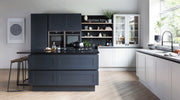
Two-Tone Bar Cabinets: A Modern Kitchen - Bar Trend for Stylish Entertaining

More homeowners / restaurant owners/ bar owners are turning to two-tone kitchen cabinets, and the appeal is easy to understand. Instead of feeling flat or predictable, it feels layered, thoughtful, and visually dynamic.
What makes this trend especially appealing is its flexibility. You don’t need to redo the entire space to see a difference. Small updates like paint, hardware, or even textiles around the dining area can support the look.
Details matter too. For example, chair covers on dining chairs or breakfast nook seating can subtly echo cabinet colors, helping the whole space feel connected rather than disjointed.
Let’s explore how two-tone kitchens work and how to bring this idea into your home with confidence.
Kitchens are often one of the busiest rooms in the house, which means they benefit from visual structure. Two-tone cabinets naturally create that structure by separating upper and lower ones or highlighting specific zones, like islands or pantry walls.
Using lighter shades on upper cabinets creates an airy feel, while deeper tones below bring balance and are more forgiving with everyday use. This contrast makes kitchens feel taller and more spacious, especially in smaller homes or apartments.
Another advantage is creative freedom. Two-tone cabinets allow you to experiment without committing to a single bold color across the entire space. You can enjoy contrast while keeping the overall look balanced and easy to live with.
The most successful two-tone kitchens usually rely on contrast, but not chaos. Neutral pairings are popular for a reason.
White or cream colors are well-paired with warm wood tones.
Soft gray or deep navy creates a classic look that ages well.
Muted greens, soft blues, or charcoal can add character without overpowering the space for those who want a bit more personality.
If your kitchen opens into a dining or living area, consider how the cabinet colors interact with nearby furniture and fabrics. Coordinating smaller elements like cushions, rugs, or chair covers helps create a smooth visual flow from one area to the next.
Using contrasting colors for the top and bottom cabinets is one of the most common ways to pull off a two-tone kitchen. This method works because it naturally follows how we visually read a room.
Light colors on top prevent the space from feeling heavy, while darker shades below add stability. In kitchens with an island, many homeowners use the island as the “second tone,” so the rest of the cabinets may stay cohesive.
This approach works well in both large and compact kitchens. It creates interest without clutter and keeps the room feeling open and functional.
Color isn’t the only way to create contrast. Mixing finishes can be just as effective. Matte cabinets paired with subtle sheen, painted surfaces combined with wood grain, or smooth finishes contrasted with textured ones all add depth.
Textures soften the space and make it feel more inviting. A kitchen that looks beautiful but feels cold rarely becomes a favorite place to gather. Warm finishes, natural materials, and thoughtful details help avoid that sterile look.
This idea extends beyond cabinets. Upholstered seating, soft window treatments, and simple fabric accents can balance out hard surfaces and make the dining area feel more comfortable and human.
Two-tone kitchen cabinets shine when the rest of the room supports them quietly. Hardware in a consistent finish helps tie both cabinet colors together. Lighting should be warm and layered, highlighting different surfaces without harsh shadows.
Open shelving can also help bridge the two tones. Displaying everyday items like dishes or glassware adds visual breathing room and keeps the kitchen from feeling too structured.
In open-plan homes, small details make a big difference. Matching or complementing fabrics in nearby seating areas, including dining chairs, creates continuity and makes the design feel intentional rather than accidental.
One of the biggest strengths of two-tone kitchen cabinets is their adaptability. If your taste changes over time, you can update one color without touching the other. Repainting lower cabinets, changing hardware, or updating surrounding decor can refresh the space without a full renovation.
This flexibility makes these kitchens especially appealing for real life. They’re stylish, but not fragile. Expressive, but still practical. They allow personality while leaving room to evolve.
Two-tone kitchen cabinets aren’t just a trend. They’re a smart design approach that blends creativity with balance. By combining thoughtful color choices, complementary textures, and supportive details, you can create a space that feels modern, welcoming, and deeply personal.
When the cabinets set the tone, and the surrounding elements quietly support them, the kitchen becomes more than a functional space. It becomes a place where people gather, linger, and feel at home — exactly what great design should do.
