

How Contemporary Home Design Is Redefining the Way Wine Is Stored and Displayed

Wine storage has evolved far beyond the traditional basement rack or hidden cabinet. In today’s homes, wine collections are increasingly treated as both a personal passion and a design statement. Contemporary home design places equal importance on aesthetics and performance, transforming wine storage into an architectural feature. Homeowners now seek solutions that preserve wine properly while enhancing the look and feel of their living spaces. As open layouts and modern materials become more popular, the way wine is stored and displayed continues to change.
Traditional wine storage often focused solely on function, prioritizing temperature and humidity control while keeping bottles out of sight. While effective, these solutions lacked visual appeal. Contemporary design has shifted this mindset, encouraging wine storage that is visible, accessible, and integrated into the home. Open floor plans and entertainment-focused spaces have made wine storage part of the overall living experience. Instead of hiding collections away, homeowners now showcase them as part of their interior design, blending practicality with visual impact.
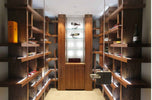
Modern wine storage emphasizes simplicity, clean lines, and cohesive materials. Metal racking, natural wood accents, and glass elements are commonly used to complement contemporary interiors. Lighting plays a major role, highlighting bottles and labels while creating ambiance. Layouts are carefully planned to balance display and storage, ensuring that wine is easy to access without overcrowding the space. These elements work together to create a refined look that aligns with modern home aesthetics.
A modern wine cellar represents the perfect balance between design and technology. Unlike traditional cellars, contemporary wine cellars are often placed in visible areas such as dining rooms, kitchens, or living spaces. They feature advanced climate control systems that maintain consistent temperature and humidity while blending seamlessly into the surrounding architecture. Customization is a key advantage, allowing homeowners to tailor size, layout, and materials to their collection and design preferences. Contemporary wine cellars offer both performance and visual appeal, making them a centerpiece rather than a hidden storage solution.
Glass has become a defining feature of modern wine storage. Glass walls and doors allow collections to be displayed without compromising environmental control. When paired with UV-protective treatments, glass protects wine from harmful light while maintaining visibility. Lighting solutions such as low-heat LED fixtures enhance presentation and create a warm atmosphere. Open displays transform wine storage into a focal point, adding depth and character to the space while maintaining proper storage conditions.
Contemporary design encourages seamless integration of wine storage into everyday living areas. Wine displays are increasingly incorporated into kitchens, dining rooms, and entertainment spaces, making them both functional and accessible. Built-in cabinetry and custom shelving allow wine storage to blend naturally with furniture and architectural elements. This approach ensures that wine remains within reach for entertaining while still benefiting from controlled storage conditions. Integration creates a cohesive look that enhances both usability and design continuity.
Even with a strong focus on aesthetics, performance remains essential in modern wine storage. Proper conditions ensure that wine ages as intended and maintains its quality.
Consistent temperature prevents premature aging and spoilage.
Controlled humidity protects corks and prevents oxidation.
Reduced vibration helps preserve wine structure.
Protection from UV exposure maintains flavor integrity.
These considerations ensure that design-driven solutions do not compromise wine preservation.
Planning for future growth is an important part of contemporary wine storage design. Collections often expand over time, so flexible layouts and modular racking can accommodate additional bottles. Durable materials and accessible maintenance systems support long-term use. By designing with both present needs and future expansion in mind, homeowners can enjoy a wine storage solution that remains functional, stylish, and efficient for years to come.
