

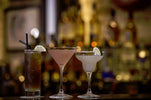
Cocktail Tasting Events at Bars: How to Create a Memorable Experience for Guests
The national cocktail market is worth almost $1 billion, and to run a tasting event based around this popular drink that drives recurring revenue, you need to structure your pouring mechanics like an omakase experience. Hosting a successful tasting isn’t about serving downsized versions of your standard house drinks. It requires building a logical progression of profiles, controlling pour rates to prevent palate fatigue, and creating tangible value that keeps patrons in your seats long after the final glass is cleared.
Many bar events fail to convert one-off attendees into loyal regulars. The breakdown almost always happens in narrative design and post-event retention. When you treat a tasting like an educational performance rather than a discounted drink special, your ticket conversion rate spikes and your spirits margin expands significantly.

A classic four-pour flight needs a clear architectural arc. Never start with heavy wood influence or intense peat, as high-proof tannins destroy delicate botanicals before your guests even reach the second round.
Start light with a high-acid, low-ABV modifier to open up tasting receptors. Move into your middle pours with complex sour or stirred profiles, and reserve your high-proof or heavily aged expressions for the finale. Keeping pours strictly between 0.75 and 1 ounce per serving keeps guests engaged and fully lucid throughout the presentation.
Understanding pour mechanics is vital to maintaining guest safety while maximizing profit margins. Aligning your cocktail builds with spirits trends pointing toward low-ABV engagement allows your bar team to serve sophisticated flavors without overwhelming patrons early in the night. To keep the operational tempo smooth during peak service, pre-batch your core modifiers and citrus blocks before doors open.
A menu printout isn't enough to hold attention. Guests want actionable context on terroir, distillation methods, and historical origins without feeling like they are sitting through a dry lecture.
Equip every seat with interactive tasting sheets featuring flavor wheels, acid maps, and space for personal notes. Train your bartenders to deliver two-sentence narrative hooks per pour instead of reading from a script.
Smart operators know that creative event strategies for increasing foot traffic depend heavily on tactile engagement that prompts social sharing. During the third pour, present an unexpected aroma element like smoked herbs or expression oils to reset the senses.
When sending guests home, package their tasting notes, promotional bounce-back cards, and small gifts in sleek branded merchandise bags that extend the visibility of your venue long after the event ends. A physical take-home element anchors the experience in reality and creates an immediate touchpoint for their next visit.
The real profit from a cocktail tasting event rarely comes from ticket sales alone. True ROI shows up in secondary spend on full-sized menu items and signature drinks immediately after the flight, and in repeat visits over the next 30 days. You could:
Offer an exclusive 15% discount code valid for standard menu drinks during the same evening
Provide a printed recipe card featuring one batchable cocktail from the tasting flight
Include a VIP invite to your next seasonal menu launch before tickets go public
These retention tactics turn a one-night promotional effort into a sustainable marketing engine for your venue. Given the often fragile state cocktail bars can find themselves in during times of economic uncertainty, aiming for improved retention rates is a good hedge against a downturn in business.
Executing a high-end flight service requires a layout that promotes direct communication between your bar staff and the attendees. Avoid hosting tastings at a sprawling, noisy main bar during peak Friday night traffic where ambient noise drowns out the presentation.
Instead, allocate a dedicated communal table or a private back lounge area during off-peak hours like Tuesday or Wednesday evenings. Position your service wells so bartenders can assemble flight trays with minimal steps, keeping the focus entirely on hospitality and storytelling.
Controlling lighting and acoustic levels keeps the group focused on the host, transforming a basic night out into an immersive masterclass that turns casual drinkers into dedicated brand advocates. For more insights into cocktails and the business around them, explore the rest of our posts.
