

Built-In Ice Makers vs. Traditional Units: Which Ensures Better Ice?
Picture this: it’s a packed Friday night, cocktails are flying, and your bartender signals you’re out of ice. Orders back up, customers grow impatient, and revenue evaporates. This scenario is more common than most restaurant owners admit—and it usually traces back to the ice maker. Choosing between built-in units and traditional standalone machines is not just about hardware; it determines whether your operation runs smoothly or faces constant crises. For owners who need reliable supply, durable equipment, and high-quality ice that elevates every drink, the decision is foundational. Here’s how the two options compare on ice quality, durability, and real-world practicality.
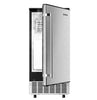
A built-in ice maker is permanently installed, designed to sit flush in cabinetry, under-counter, or bar infrastructure. It becomes part of the kitchen architecture rather than an add-on. The result is a clean, professional look that frees floor and counter space—critical in tight commercial kitchens. These units typically connect directly to water and drain lines, run continuously, and often include advanced filtration that removes sediment, chlorine, and minerals for cleaner-tasting ice. Many newer models offer remote monitoring of production levels and maintenance alerts.
Key benefits include seamless workflow (staff no longer navigate around bulky machines), consistent water pressure and temperature for uniform ice production, and quieter operation thanks to cabinet insulation and vibration dampening. For high-volume bars and full-service restaurants that go through hundreds of pounds of ice per shift, this consistency and space efficiency are major operational advantages.

Traditional units are standalone or portable machines that operate independently of built-in infrastructure. They range from compact countertop models to large freestanding units. Installation is simple—often just a power outlet and occasional water refilling or a basic hookup—which explains their long-standing popularity in diners, catering operations, hotels, and event venues.
Pros center on flexibility and lower upfront cost. You can rearrange the kitchen, move the unit for renovations, or take it to pop-ups and off-site events. No cabinetry work or dedicated plumbing is required on day one, making them attractive for startups or temporary concepts.
Cons include space consumption and workflow disruption. Freestanding machines occupy floor space and can block traffic; countertop versions steal prep area. Many rely on internal reservoirs, so staff must monitor and refill water—an easy task to neglect during rush periods. They also tend to be noisier and more exposed to kitchen grease, dust, and temperature swings, which can accelerate wear.
“Better ice” means ice that improves the drinking experience, not just chills a glass. Both categories produce cube, flake, crescent, and nugget formats, but consistency differs. Cube ice melts slowly but lacks character. Flake ice is useful for displays and blending yet dilutes drinks quickly. Nugget ice has become the industry standout: its porous, chewable texture absorbs beverage flavors, cools rapidly without aggressive dilution, and delivers a satisfying crunch that guests notice and seek out.
Built-in units with dedicated nugget production generally deliver more uniform pellet size and density because direct plumbing maintains stable pressure and temperature. Traditional portable machines can also make nugget ice, but fluctuating reservoir levels and ambient kitchen conditions sometimes produce batch-to-batch variation. For restaurants whose brand emphasizes premium beverage presentation, that consistency matters. Nugget ice packs tightly in the glass, reduces liquid volume per serving slightly, and signals craftsmanship—helping justify higher prices and encouraging repeat visits.

Built-in machines usually last longer because their enclosed installation shields components from grease-laden air, temperature swings, and physical bumps. Reinforced frames and sealed compartments resist corrosion in humid kitchen environments. A well-maintained commercial built-in unit can operate reliably for a decade or more. Traditional standalone units are robust but face faster wear on exposed condensers and compressors. They may require more frequent cleaning, though technicians can access them from all sides without removing cabinetry, which can shorten service calls.
In both cases, regular descaling, sanitizing, and seal inspection prevent small issues from becoming expensive failures. Material quality is decisive: stainless steel interiors and exteriors resist moisture and clean easily; high-grade evaporators and commercial compressors improve consistency and longevity; food-safe, BPA-free components and antimicrobial coatings support hygiene. Cheaper plastic or lower-grade metal units often degrade within a few years of heavy use.
Start with actual peak demand, not averages. A busy bar-heavy restaurant may need 500+ pounds on a Saturday night; a casual lunch spot needs far less. Match capacity accordingly. Next evaluate space: tight kitchens favor built-ins that disappear into the layout; flexible or multi-location operations may prefer the portability of traditional units. Look beyond purchase price to installation, energy use, maintenance, and expected lifespan. Brands that focus on commercial-grade construction and reliable support (rather than residential machines marketed to businesses) tend to perform better under restaurant conditions.
Decide on ice type—especially if nugget ice is central to your beverage program.
Map installation realities (space, water lines, drainage, permanence vs. mobility).
Compare component quality, operator reviews from similar kitchens, and warranty coverage.
Prioritize manufacturers with proven commercial track records and responsive service.
Built-in ice makers excel at consistency, quieter operation, space efficiency, and long-term durability thanks to protected installation and direct plumbing. Traditional units win on flexibility, lower initial barriers, and easier multi-side access. For ice quality—particularly the nugget format guests increasingly expect—machines engineered for stable water supply and temperature control outperform multipurpose alternatives. The best choice is the one that matches your daily volume, physical constraints, and operational style while keeping bins full and beverages looking (and tasting) their best. Invest in premium materials, strong warranties, and commercial-grade engineering so Friday nights never hinge on a panicked signal from the bar.
